
- +1
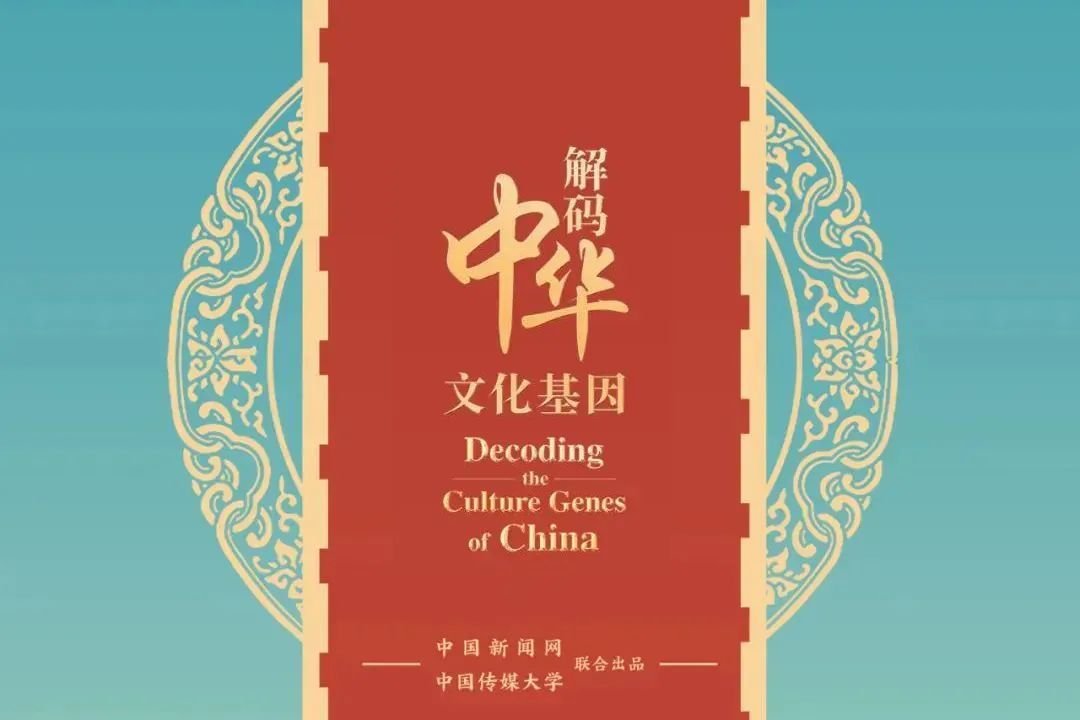
中国传媒大学和中国新闻网联合出品“解码中华文化基因”系列视频
原创 传传 中国传媒大学
“解码中华文化基因”系列视频由中国传媒大学和中国新闻网联合出品,面向国内外“Z世代”群体,以60项中国非物质文化遗产为主要内容,讲述非遗背后的故事,每集2分钟,让非遗里的传统文化基因“活起来”。系列视频以竖屏构图适应移动传播,以青春话语诠释非遗内涵,对中华优秀传统文化进行创造性转化和创新性传播。
中国传媒大学电视学院师生团队发挥专业优势,利用系列融视频这一创新传播形式解码中华传统文化,使非物质文化遗产在视频中“活起来”。同时,团队立足国际传播视野,推出英文版视频,助力非遗出海,让全球观众了解中华优秀传统文化,从而达到讲好中国故事的目标。在新文科建设背景下,师生参与制作“解码中华文化基因”融视频项目,践行和传承了电视学院“实践育人”和“课程思政”的理念。
本期传传为大家介绍的非遗是:中国篆刻、龙舞、古琴艺术。
 中国篆刻
中国篆刻中文版
成竹在胸,一气呵成,
方寸之间,尽显中华文字之美。
这就是中国篆刻。
无论是古朴浑厚的玉玺,
还是端庄婉转的小印,
篆刻用一笔一画勾勒出了历史的轮廓。
篆刻俗称“治印”,
以刀代笔,在印章上刻画中国汉字。
秦汉时代,玺印是权力和身份的象征,
相传,秦代丞相李斯曾奉秦始皇之命,
用和氏璧镌刻“传国玉玺”,
作为中国历代正统皇帝的凭证。
后来,篆刻的发展逐渐大众化,
被更广泛地用作署名和收藏。
时至今日,篆刻依旧流行,
篆刻不仅能够提高专注力、观察力,
还能提高人的审美情趣。
一刀一印,精雕细琢。
2008年北京奥运会会徽就是一枚古香古色的印章。
篆刻是工匠精神和中华古典美学的结合,
一桌、一石、一刻刀,
在润物细无声中,
传承古人智慧,传播中华文化。
上下滑动查看更多
英文版
As a cornerstone of Chinese fine arts, Chinese seal engraving manifests the beauty of Chinese characters to the utmost.
From the ancient imperial seals made of jade, to the more common seals used by all, history unfolds itself through these intricate curves and lines.
The art of engraving requires mastery of calligraphy and a high degree of virtuosity.
The imperial jade seals were used by the Chinese emperors as a sign of power and authority.
Over 2000 years ago, China’s first imperial seal was created for China’s first emperor Qin Shi Huang. This Heirloom Seal of the Realm was carved out of Heshibi, a sacred piece of jade.
Later, the seals become more widely used in lieu of signatures and as artistic collections.
Today, Chinese seal engraving still enjoys great popularity.
It helps improve one’s concentration and observation skills, also enabling the development of aesthetic taste.
Consisting of the Chinese character “Jing” which also portrays a human figure running forward and embracing triumph, the emblem of the 2008 Beijing Olympic Games was also inspired by this art.
Chinese seal engraving is a combination of craftsman spirit and classical Chinese aesthetics, endowed with the wisdom of ancient Chinese people and the value of Chinese culture.
上下滑动查看更多
龙舞
中文版
你见过龙吗?
见过龙飞舞吗?
来了,这是龙舞传承人在庙会上的表演现场。
听人说,中国人在三千年前就开始舞龙了,
那时是为了祈求天上的神仙保佑人间风调雨顺,保佑农民有个好收成。
现在,舞龙已经成为了一种民间的节日风俗。
把长龙舞起来,可以烘托节日喜庆、祥和的热烈气氛。
龙舞在中国各地的节庆中都可以见到,
各地的龙风格多样。
传统的龙头、龙身和龙尾通常由竹篾扎成,
一节一节地用绸子连起来,
再用颜料画出龙的鳞片。
龙头、龙身都有木棒,
人们握着木棒,就可以让龙腾飞起来。
舞龙好看在哪儿?
龙头带动龙身跑,
还要舞出花儿来。
“翻滚”、“绞缠”、“穿插”、“窜跃”都少不了。
龙舞,集合了中华传统武术、曲艺和舞蹈的动作,
也是一项非常健康的体育活动。
龙是中华民族的图腾,象征着人们对美好生活的向往。
上下滑动查看更多
英文版
The Chinese dragon is a majestic beast associated with heavenly beneficence.
Dragon dances have been indispensable to Chinese festivals and events.
Originated about 3000 years ago, dragon dance was a type of rain rituals which involved a dragon image animated by dancers to secure favorable weather and a good harvest.
Nowadays, dragon dance has become a folk custom during holidays. A flying dragon can set off such a festive atmosphere.
Appearing in celebrations all over China, the dancing dragons vary in styles. Traditionally, different sections of the dragon, including the head, body, and tail, are constructed of bamboo hoops and covered with silk fabric, on which dragon scales are painted. Both the head and the body have supporting poles, which are used to manipulate the dragon.
How to appreciate the dragon dance? Various dragon dance techniques bring the dragon to life, including "roaming", "entangling", “crossing”, and "jumping".
Dragon dance combines the Chinese martial arts, folk music, and dance movements. It is also a healthy physical activity.
Flying the dragon, which is the totem of the Chinese nation, symbolizes Chinese people's yearning for a more beautiful life.
上下滑动查看更多
古琴艺术
中文版
古琴是中国最古老的弹拨乐器。
漫长的历史岁月中,悠远的古琴曲承载着中国的礼乐精神,
寄托着中华文人的思想与情操。
相传古琴创始于史前传说时代的伏羲氏和神农氏时期,
距今已有三千多年,
古琴的形制在汉代逐渐发展完备。
古琴有着丰富的文化内涵,
各部分构件都被赋予美好的寓意,
比如琴头长三尺六寸五分,象征一年三百六十五天。
琴头宽六寸,象征东南西北,苍天厚土。
琴尾四寸,象征四季交替,生生不息。
古琴的十三个徽位代表十二月与闰月,发挥着标记音位的作用。
古琴的音色将乐曲简化、延长,
在听觉上留下了大量的空白,
借听者的想象在琴音与留白之间产生流动感。
小到风花雪月,大到家国天下,
古人把心中的万千思绪通过琴弦传递出去,
余音绕梁,千年不散。
无论是古代还是现代,
古琴都代表着中国人的生活态度和君子气节,
寄托着中华民族对国泰民安、天下大同的理想追求。
让我们泡一壶花茶,听一首琴曲,
感受穿越千年的音律和古代圣贤的琴音心声,
获得身心的自由与伸展。
上下滑动查看更多
英文版
The guqin is the oldest plucked string musical instrument in China. It has kept alive the essence of Chinese ethos as well as the longing and sentiments of Chinese literati. It is believed that the guqin was invented over 3,000 years ago in the prehistoric times, and acquired its shape as we know it in the Han Dynasty (202 BC-220 AD).
The guqin is rich in cultural symbolism. The length of the head of the guqin symbolizes 365 days in a year, and its width symbolizes the land extending in all directions. The tail stands for the four seasons. Its 13 emblems, which mark phonemes, represent twelve months and leap month.
From personal emotions to patriotic sentiments, in both ancient and modern times, the guqin represents the Chinese’s attitude towards life and their national traits as well as their pursuit of peace, prosperity and harmony.
Drink a cup of tea, listen to the millennia old guqin melody created by ancient saints, and you will feel thoroughly relaxed and achieve perfect peace of mind.
上下滑动查看更多
●●● 中国传媒大学官方微信平台 ●●●
*“解码中华文化基因”系列视频由中国传媒大学和中国新闻网联合出品
编创团队 | 胡 芳 孟 群 秦瑜明 白晓晴
张 龙 李艾珂 孙洪亮 蔡 雨
李怡滢 曹航宇 傅柏燃 卜欣荣
周晓萌 赵跃泽 殷 乐 袁志恒
杨雨千 张 竞 周晓萌 王译丰
孙小雪 王伊鸣 陆昱颖
编 辑 | 李雨欣 唐佳楠 刘湘琪
责 编 | 尚新英
编 审 | 宣宝剑
原标题:《中国传媒大学和中国新闻网联合出品“解码中华文化基因”系列视频》
本文为澎湃号作者或机构在澎湃新闻上传并发布,仅代表该作者或机构观点,不代表澎湃新闻的观点或立场,澎湃新闻仅提供信息发布平台。申请澎湃号请用电脑访问http://renzheng.thepaper.cn。







- 报料热线: 021-962866
- 报料邮箱: news@thepaper.cn
互联网新闻信息服务许可证:31120170006
增值电信业务经营许可证:沪B2-2017116
© 2014-2026 上海东方报业有限公司