
- +1
费孝通江村调查90周年,苏州吴江面向全球征集“江村记忆”
【编者按】
1936年,26岁的费孝通在江苏吴江开弦弓村完成田野调查,写下《江村经济》的手稿。90年来,它被译成多国文字,成为世界读懂中国乡土的第一扇窗。2026年,“江村调查”迎来九十周年,苏州市吴江区面向全球征集版本影像与江村记忆,让散落四海的书与人、物与事,回到它出发的地方。
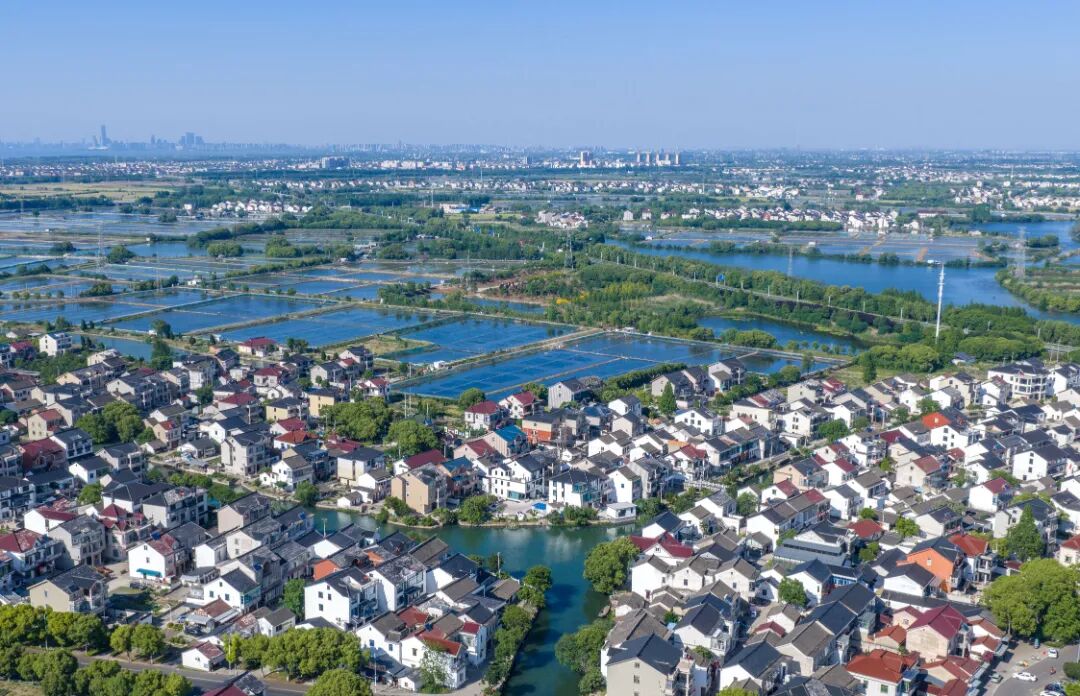
1936年,苏州吴江,开弦弓村。
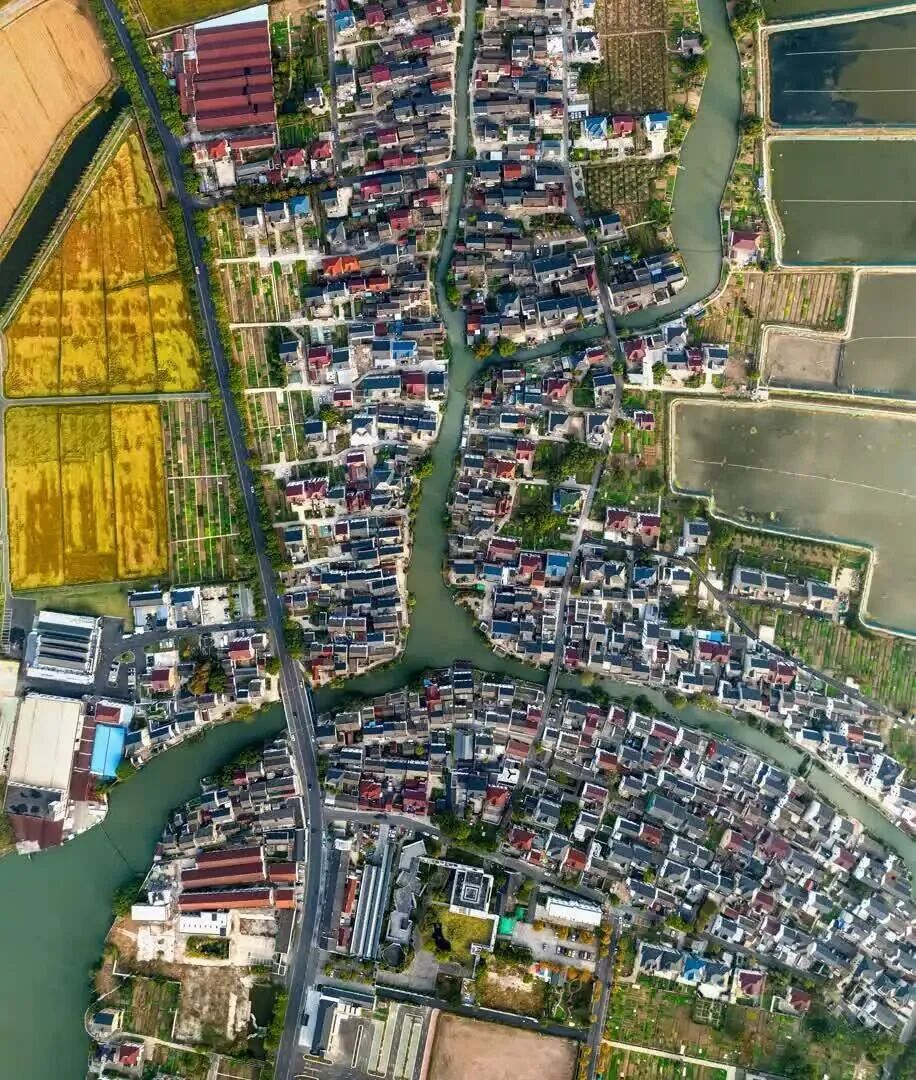
一条河弯成弓弦,村庄静立,像一支搭在弦上的箭。一个带着病痛的年轻人走进村子,与农户同吃同住,踩过田埂桑林,走遍农舍作坊,把农耕劳作、养蚕缫丝、集市交易、日常起居,一笔一画写进田野调查的手稿。
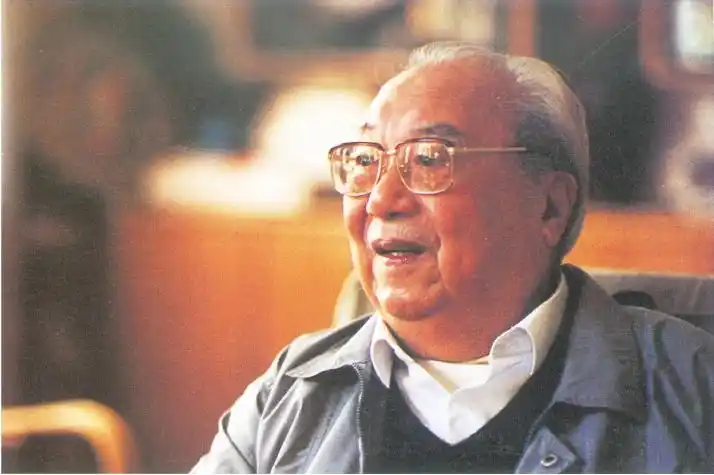
这名年轻人叫费孝通,那一年,他26岁。
他大概不会想到,这部手稿后来成为国际人类学的经典之作——《江村经济》;更不会想到,90年后,这本书仍被世界各地的读者反复翻开。
这一次,我们想请你们一起,把散落在全球的江村记忆,带回到它曾经出发的地方。
01
一本从泥土里长出来的书
1936年夏天,开弦弓村河水清亮,桑林连绵。费孝通在这里完成了学术生涯中最重要的田野调查。
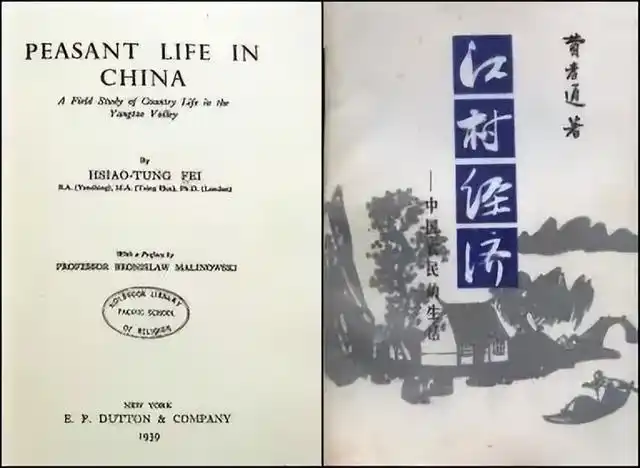
这段经历凝结成他的博士论文——1938年,论文在伦敦经济学院通过答辩;1939年,《中国农民的生活》(Peasant Life in China)在英国出版,扉页上印着四个中文字:江村经济。
他的老师马林诺夫斯基在序言中写道,这本书“将被认为是人类学实地调查和理论工作发展中的一个里程碑”。
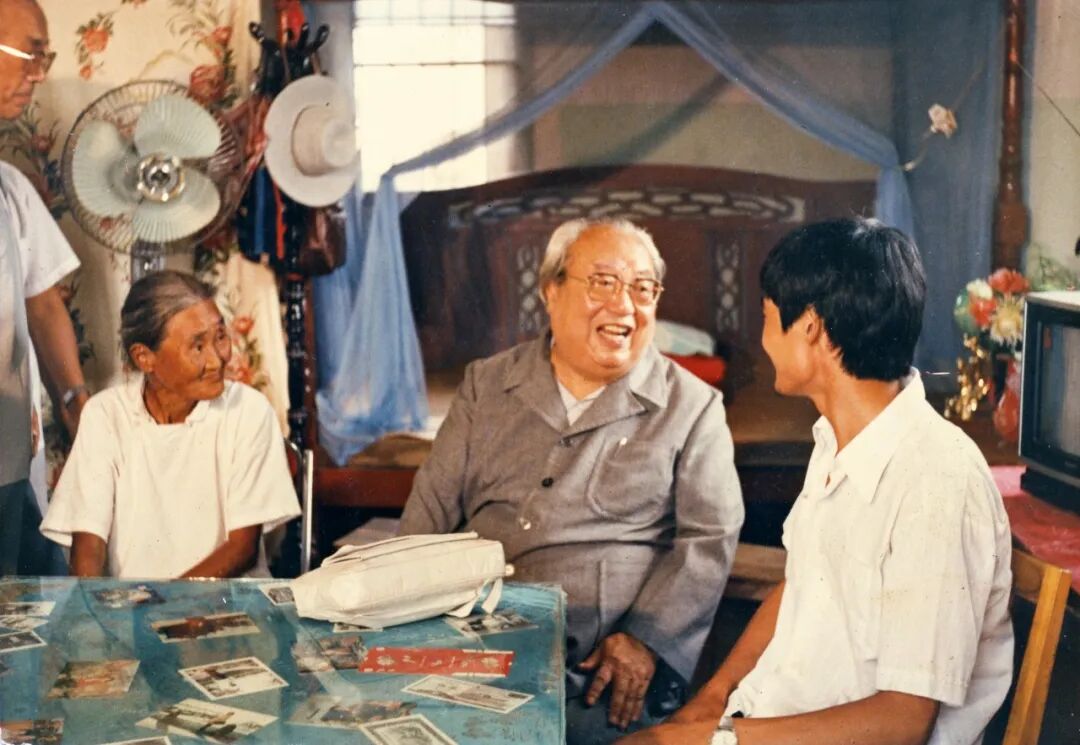
1986年,戴可景的中译本《江村经济》出版,这个名字从此走进一代代中国读者的视野。
02
它不只是一本书
90年来,《江村经济》被翻译成多国语言,走进全球顶尖高校的课堂,摆在各国图书馆的书架上,成为世界读懂中国乡土的第一扇窗。
它让世界第一次系统、鲜活地看见中国农民的生计、中国乡村的肌理、中国社会的底色;
它是中国乡村振兴的思想火种——从对桑蚕产业、农户生计的细致观察,到对乡土社会结构、乡村发展路径的持续探索,“从实求知”的精神始终指引着一代代人读懂农村、建设乡村;
它是跨越文明的学术瑰宝——它开创的田野调查范式,搭建起中外学术对话的桥梁,让中国乡土经验成为世界人类学的重要组成部分。
90年后,它仍安静地躺在世界各地许多人的书桌上。
03
任务一|同框吧!《江村经济》
我们想知道:除了故乡之外,这本书究竟去了多远的地方?它被谁读过?又曾留下过哪些有意思、有意义的海外足迹呢?
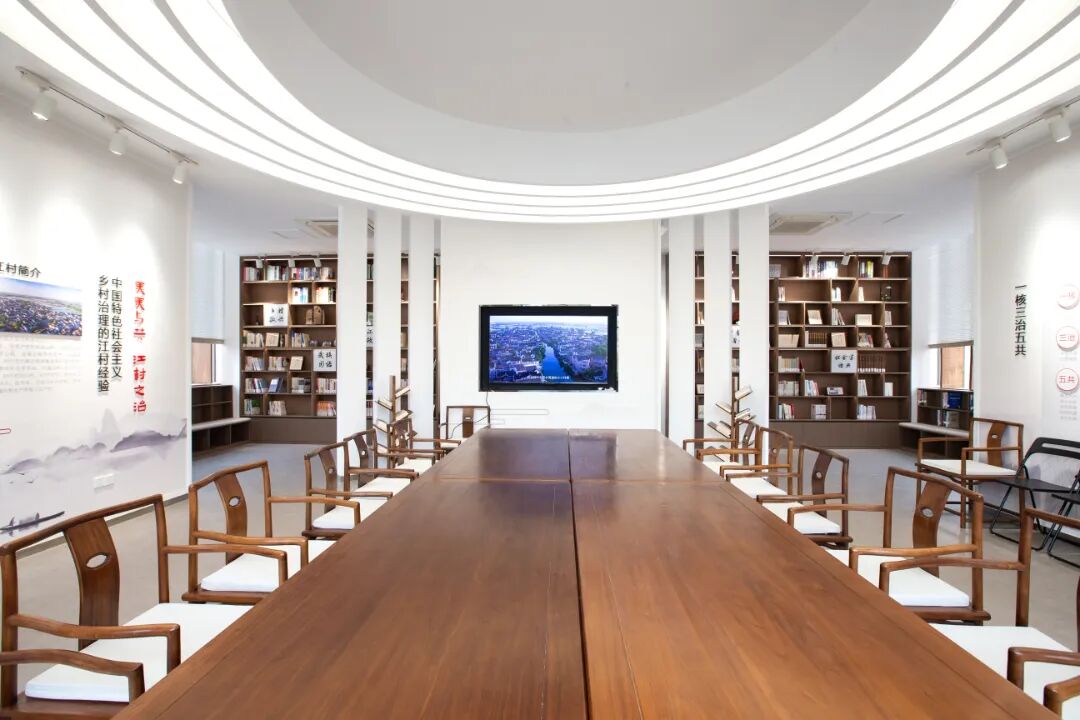
▲费孝通图书馆
所以,我们决定——要发起一次面向全球的征集!
无论是原版初印本、多语种译本、馆藏珍本,还是外文刊发本、学术摘编本,任何版本,我们都热忱期待;
你可以送上与藏书的同框合影,也可以发来封面、扉页、版权页的高清影像,或是藏书印、批注手迹、借阅记录卡的细节特写;
你还可以记录下寻访它的过程,拍下图书馆的馆藏场景、书架角落,或是一段简短的寻访短视频。
注:本次不征集书籍全文电子版、完整扫描件,仅收录版本影像与寻访记录。
04
任务二|征集“江村记忆”世界拼图
与此同时,我们还面向全球征集珍贵的江村记忆。包括海外人物线索、手稿实物、书信遗存等等。
人物线索类:曾研读《江村经济》、赴江村调研、与费孝通开展学术交流的海外人类学家、汉学家、留学生及其后人;受该书启发深耕中国乡村研究的海外学者、媒体人,以及他们的学术往来故事与背景资料。
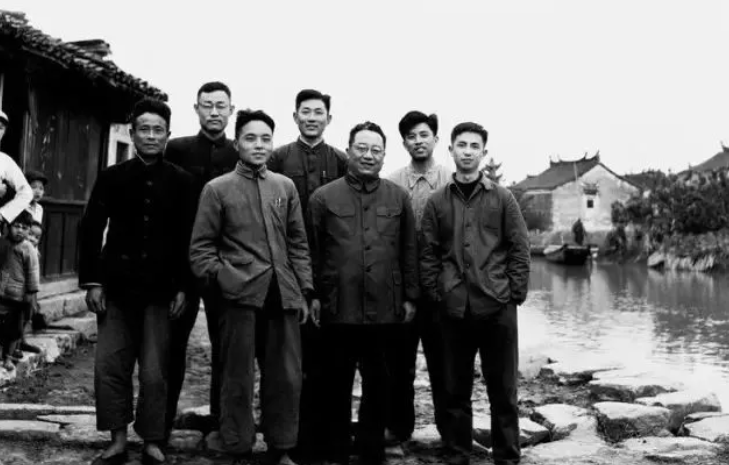
实物手稿类:海外公私藏机构留存的费孝通留英书信、伦敦求学手稿、赫胥黎奖章全套史料、田野原始照片、中外学者往来信函、跨国学术会议音视频、亲笔批注文稿等带着时代温度的实物遗存。
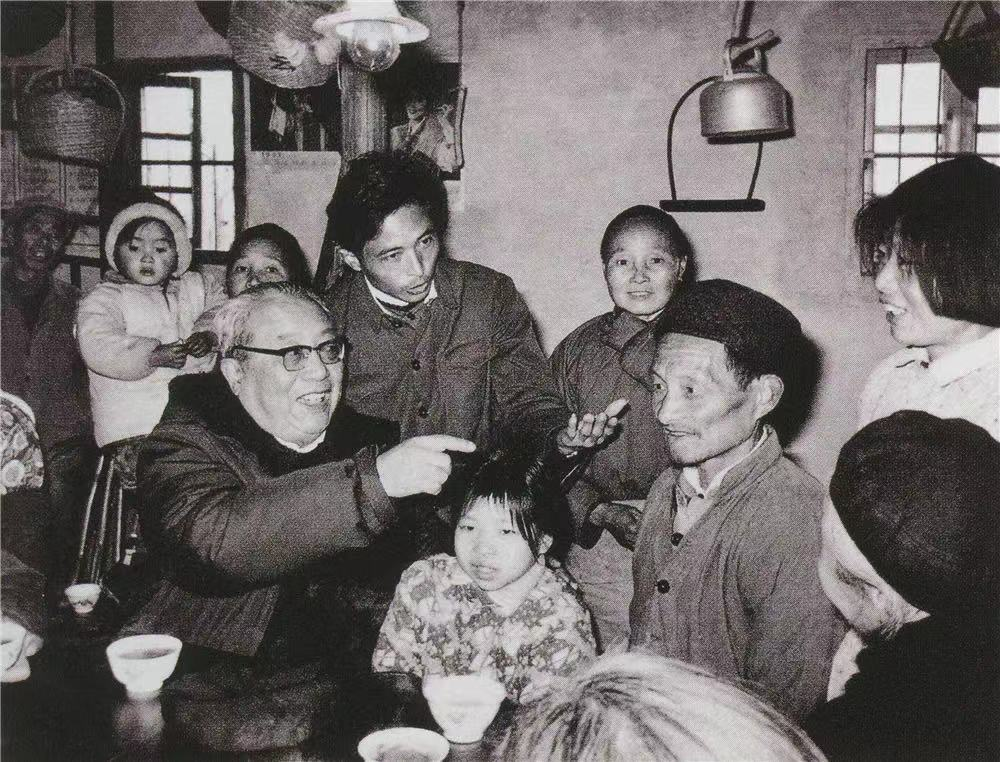
口述记忆类:海外亲历者、后辈关于费孝通英伦求学、江村田野调研、中外学术交往的口述回忆与家族影像;海外学者重访江村的访谈素材、实地调研笔记等。
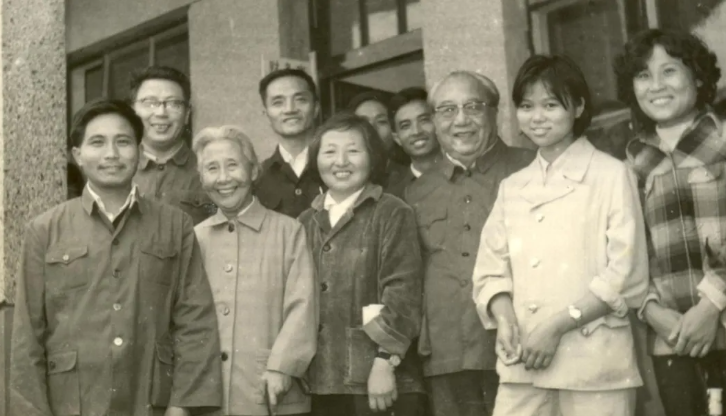
国际传播遗存类:海外报刊、电视台刊发的江村与费孝通专题报道、早期海外纪录片片段、学术会议海报、高校相关公开课课件等,见证中国乡土故事走向世界的历史资料。
05
每一份参与,都会成为永久的记忆
在这里,每一份素材都将被郑重典藏,每一份参与都拥有专属的意义:
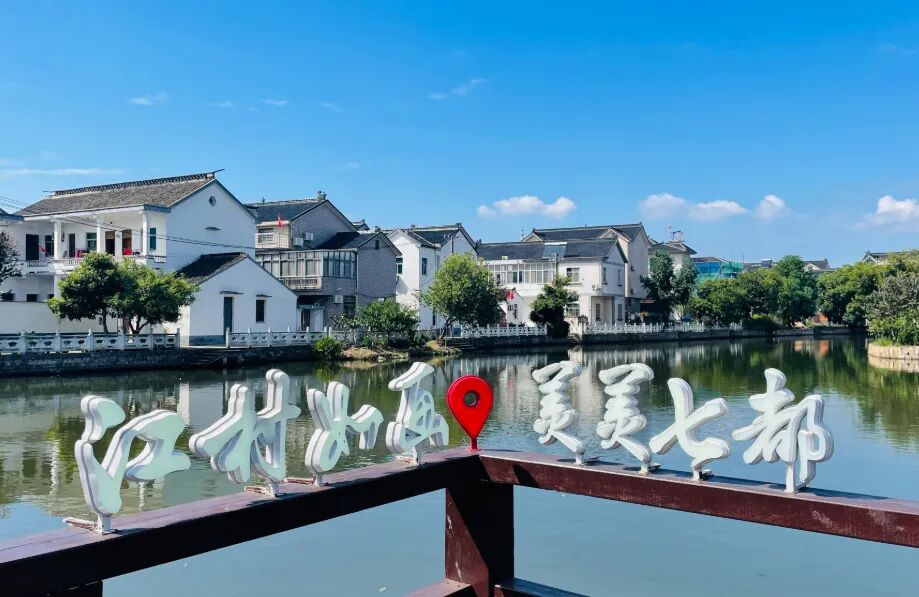
我们将为所有参与者发出“江村调查九十周年”海外征集活动特别感谢信;贡献重要线索者,将获邀参与后续学术交流与展览活动。
前90位参与者,凭这封电子信件及本人有效出入境凭证,可到当地领取吴江文旅大礼包一份。
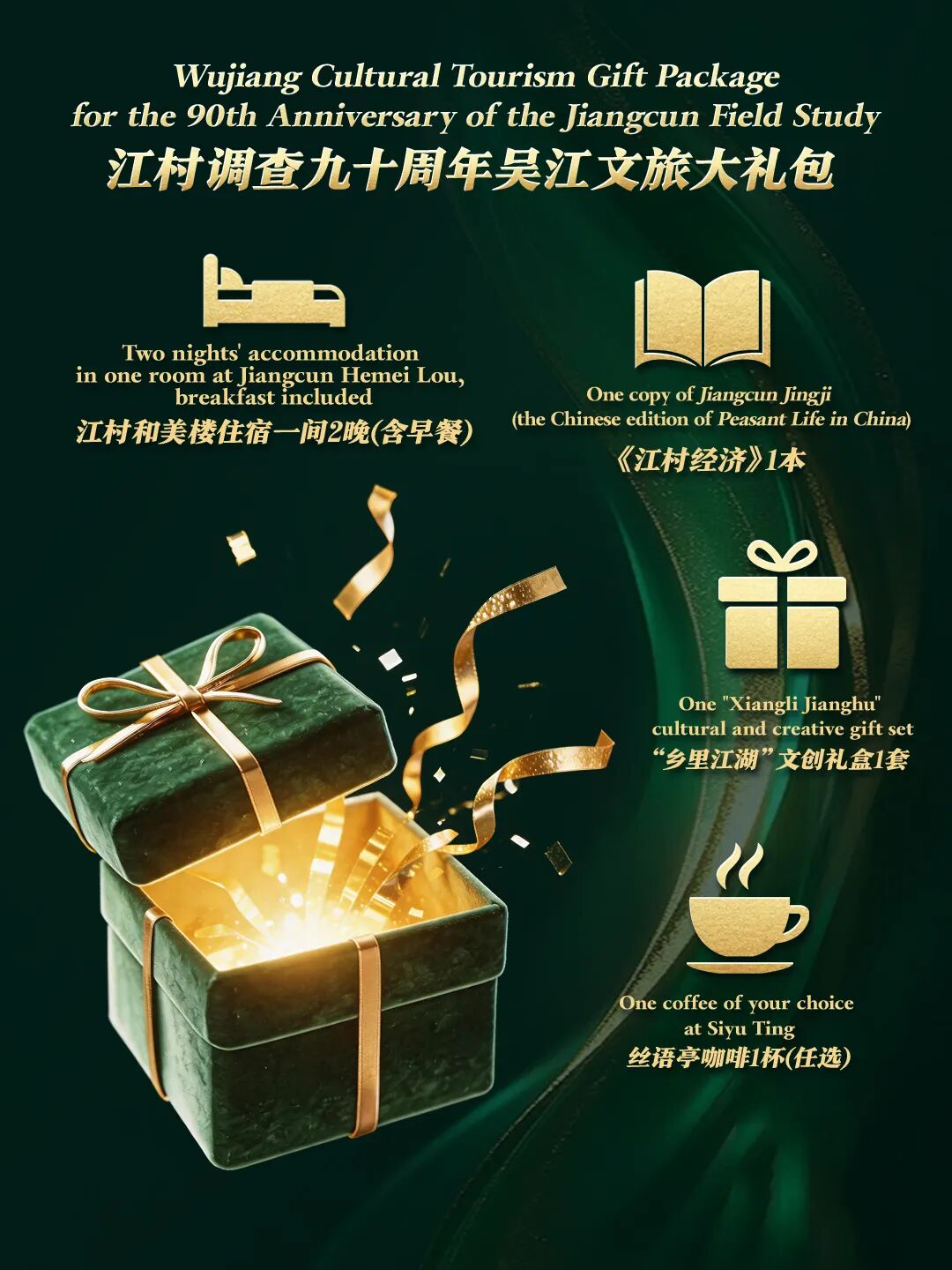
江村调查九十周年吴江文旅大礼包:
江村和美楼住宿一间2晚(含早餐)
《江村经济》1本
“乡里江湖”文创礼盒1套
丝语亭咖啡1杯(任选)
优质素材将择优用于“江村调查九十周年”新闻专题片及学术展播,让更多人看见这份跨越山海的文化记忆。
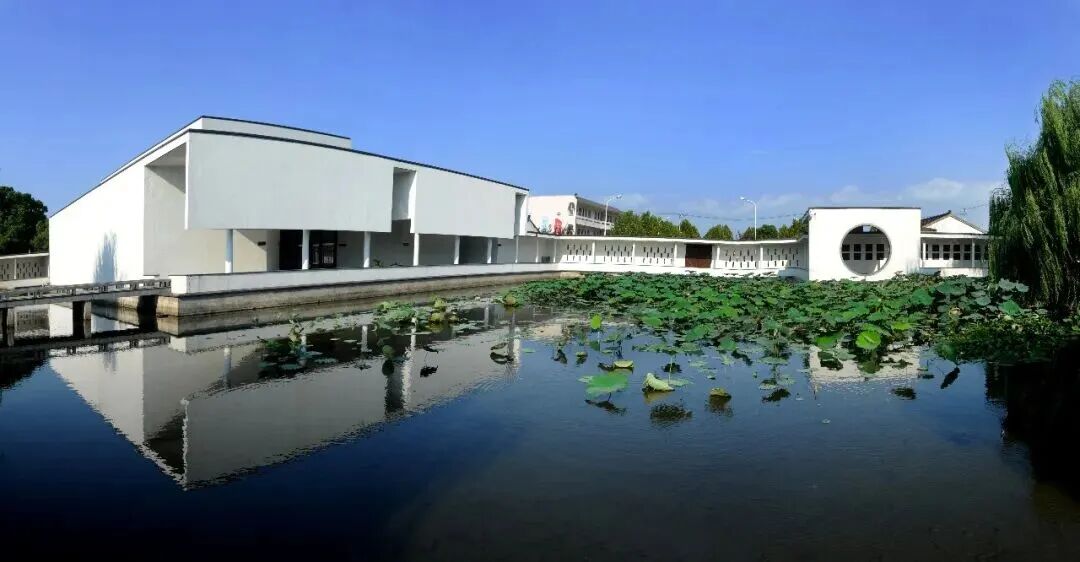
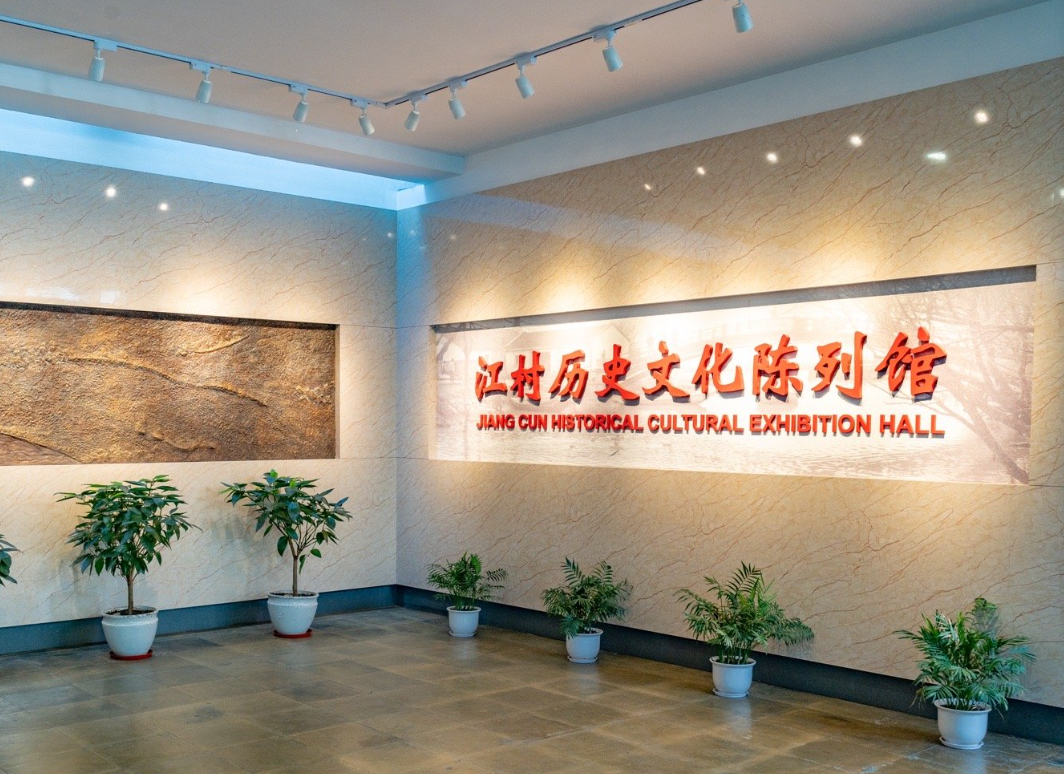
所有征集到的影像与史料,都将由主办方统一整理建档,择优存入费孝通江村纪念馆,成为“江村全球记忆库”的一部分,永久保存、面向公众开放。
参与方式
征集时间:即日起至2026年12月31日;
投稿邮箱:jcjj90n@163.com(联系人:汪先生)请随邮件附上素材说明与您的联系方式;
特别说明:本次征集不接收书籍全文电子版、扫描件或内容摘录。所有影像资料仅用于版本考据及信息统计,不用于出版发行或商业用途。应征者须保证所提供素材不侵犯他人合法权益,如有特殊版权归属请提前注明。
九秩回望,薪火赓续。
一本书的90年,也是世界了解中国的90年。
此次征集由苏州市吴江区委宣传部、吴江区哲学社会科学界联合会、吴江区七都镇人民政府、苏州江村学院、吴江文旅集团及苏州市广播电视总台、吴江区融媒体中心联合发起。
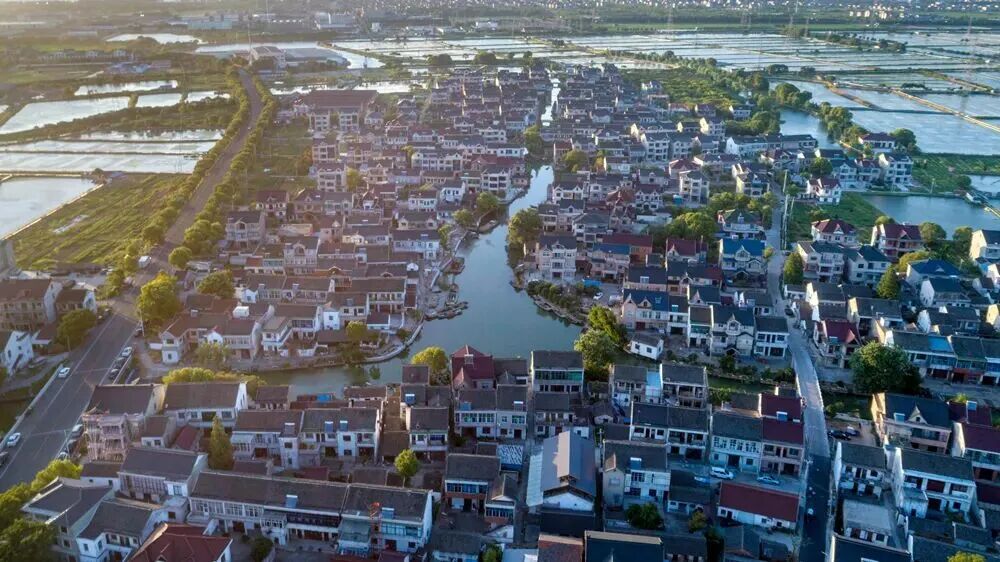
在此,我们也要向全球的朋友们发出诚挚邀请,欢迎你们到费孝通笔下的那个中国·江村来看一看!
(在法律许可范围内,主办方保留本次活动的最终解释权。)
Kaixiangong Village, Wujiang, Suzhou, 1936.
A river curved like a bowstring; the village lay quietly beside it, poised like an arrow on the string. A young man, still ailing, arrived in the village. He lived and ate with farming families, crossed field ridges and mulberry groves, and visited farmhouses and workshops throughout the village. Farming, sericulture and silk reeling, market trade, everyday life—he carefully documented it all in his field notes.
The young man was Fei Xiaotong (published in English as Hsiao-Tung Fei).
That year, he was 26.
He could hardly have imagined that these field notes would later give rise to an international classic of anthropology, Peasant Life in China—still less that, 90 years on, readers around the world would continue to return to the book.
Now, we invite you to join us in bringing the memories of Jiangcun—another name for Kaixiangong Village—back to the place where their journey began.
01 A Book Rooted in the Soil
In the summer of 1936, the river through Kaixiangong Village ran clear and mulberry groves stretched across the landscape. It was here that Fei Xiaotong carried out the most important field study of his academic career.
That experience formed the basis of his doctoral thesis, which was accepted by the London School of Economics and Political Science in 1938. In 1939, Peasant Life in China: A Field Study of Country Life in the Yangtze Valley was published in Britain. Its title page bore four Chinese characters: “江村经济” (Jiangcun Jingji).
His mentor, Bronislaw Malinowski, wrote in the preface that the book “will be counted as a landmark in the development of anthropological field-work and theory.”
In 1986, Dai Kejing’s Chinese translation, Jiangcun Jingji, was published, bringing the title to generations of Chinese readers.
02 More Than a Book
Over the past 90 years, Peasant Life in China has been translated into multiple languages, entered classrooms at leading universities around the world, and found a place on library shelves across many countries, becoming the world’s first window onto rural China.
For the first time, it offered the world a systematic and vivid picture of the livelihoods of Chinese rural households, the texture of Chinese village life, and the deeper fabric of Chinese society.
It has also provided a lasting source of intellectual inspiration for rural revitalization in China. From its close observation of sericulture and rural household livelihoods to its continuing inquiry into the structure of rural society and pathways of rural development, its spirit of “seeking knowledge from reality” has guided generations in understanding rural life and contributing to the development of rural communities.
Its scholarly significance also crosses cultural boundaries. The fieldwork paradigm it pioneered created a bridge for academic dialogue between China and the world beyond , making the experience of rural China an important part of global anthropology.
Ninety years on, it still rests quietly on desks around the world.
03 Mission 1 | Find It. Frame It. Share It.
We want to know: how far has this book traveled beyond the place where it began? Who has read it? And what interesting or meaningful traces has it left around the world?
That is why we are launching a global call for contributions.
Whether it is a first printing of the original edition, a translation into another language, a rare library copy, a foreign-language edition or publication, or a scholarly excerpt or abridged edition, we would be delighted to hear from you.
You can send us a photograph of yourself with the copy you have found, high-resolution images of its cover, title page or copyright page, or close-up photographs of ownership or library stamps, handwritten annotations, and lending cards.
You can also document your search for the book—photograph it in a library collection or on a bookshelf, or send us a short video recording your search.
Note: We are not collecting complete electronic copies or full scans of the book. We are seeking only images documenting particular editions and records of your search.
04 Mission 2 | Help Piece Together Jiangcun’s Global Memory
At the same time, we are seeking valuable memories of Jiangcun from around the world, including leads on overseas figures, manuscripts and artifacts, surviving correspondence, and more.
Leads on Figures: Overseas anthropologists, Sinologists, and international students who studied Peasant Life in China, conducted research in Jiangcun, or engaged in academic exchanges with Fei Xiaotong, as well as their descendants; overseas scholars and media professionals inspired by the book to pursue research on rural China; and stories, records and background materials documenting these scholarly connections.
Archival Materials, Original Documents, and Artifacts: Letters from Fei Xiaotong’s years in Britain, manuscripts from his studies in London, a complete set of archival materials relating to the Huxley Memorial Medal, original field photographs, correspondence between Chinese and overseas scholars, audio and video recordings of international academic conferences, hand-annotated manuscripts, and other original materials preserved in public or private collections overseas that retain the imprint of their time.
Oral Histories: Personal recollections and family photographs from overseas witnesses and later generations relating to Fei Xiaotong’s studies in Britain, his fieldwork in Jiangcun, and academic exchanges between China and other countries; as well as interview materials and field notes from overseas scholars who later revisited Jiangcun.
Historical Traces of International Communication: Feature coverage of Jiangcun and Fei Xiaotong in overseas newspapers, magazines and television broadcasts; footage from early documentaries produced abroad; academic conference posters; teaching materials from relevant university open courses; and other historical records documenting how stories of rural China reached audiences around the world.
05 Every Contribution Will Become Part of a Lasting Record
Every item contributed will be carefully preserved, and every contribution will carry its own significance.
All participants will receive a special letter of thanks for taking part in the global call for contributions marking the 90th Anniversary of the Jiangcun Field Study. Those who provide significant leads will be invited to take part in subsequent academic exchanges and exhibition activities.
The first 90 participants may collect a Wujiang Cultural Tourism Gift Package locally upon presentation of this electronic letter and a valid personal entry–exit document.
Wujiang Cultural Tourism Gift Package for the 90th Anniversary of the Jiangcun Field Study:
Two nights’ accommodation in one room at Jiangcun Hemei Lou, breakfast included One copy of Jiangcun Jingji (the Chinese edition of Peasant Life in China)
One “Xiangli Jianghu” cultural and creative gift set
One coffee of your choice at Siyu Ting
Selected high-quality materials will be used in a news documentary and academic screenings marking the 90th Anniversary of the Jiangcun Field Study, bringing these cultural memories, carried across continents and oceans, to a wider audience.
All images and historical materials collected will be catalogued and archived by the organizers. Selected materials will be deposited in the Fei Xiaotong Jiangcun Memorial Hall and become part of the Jiangcun Global Memory Archive, where they will be preserved permanently and made accessible to the public.
How to Participate
Submission Period: From now through December 31, 2026.
Submission Email: jcjj90n@163.com Contact: Mr. Wang. Please include a brief description of the materials and your contact information with your submission.
Special Note: This call does not accept complete electronic copies of books, scans, or excerpts from their contents. All submitted images will be used solely for bibliographic research on editions and for statistical purposes, and will not be used for publication, distribution or commercial purposes. Contributors must ensure that the materials they submit do not infringe the lawful rights and interests of any third party. If any material is subject to specific copyright ownership arrangements, please indicate this in advance.
Nine decades on, the legacy endures.
Ninety years in the life of one book have also been ninety years of the world coming to know China.
This global call is jointly initiated by the Publicity Department of the CPC Wujiang District Committee, Suzhou; Wujiang District Federation of Philosophy and Social Sciences Circles; People’s Government of Qidu Town, Wujiang District; Suzhou Jiangcun Academy; Wujiang Culture and Tourism Group; Suzhou Broadcasting System and Wujiang District Converged Media Center.
We also extend a warm invitation to friends around the world: come and visit Jiangcun in China—the village Fei Xiaotong wrote about—and see it for yourselves.
(To the extent permitted by applicable law, the organizers reserve final authority to interpret the rules of this initiative.)
来源:微信公众号“苏州吴江发布”综合吴江区融媒体中心、太湖七都、吴江区外事办
原标题:《江村记忆,全球共寻Seeking Memories of Jiangcun Around the World》







- 报料热线: 021-962866
- 报料邮箱: news@thepaper.cn
互联网新闻信息服务许可证:31120170006
增值电信业务经营许可证:沪B2-2017116
© 2014-2026 上海东方报业有限公司